
Historical Legacy
Ronghua (velvet flower) belongs to traditional Chinese decorative craftsmanship and is recognized as intangible cultural heritage. The technique preserves ceremonial aesthetics while being reinterpreted for contemporary styling.
Qingzi
Couldn't load pickup availability
Curator's note
This piece sits within the standard Tiffany Tang describes for ORIENTGEM: attention to finish, symbolism, and long-term appeal before trend value.
Tiffany Tang, Founder
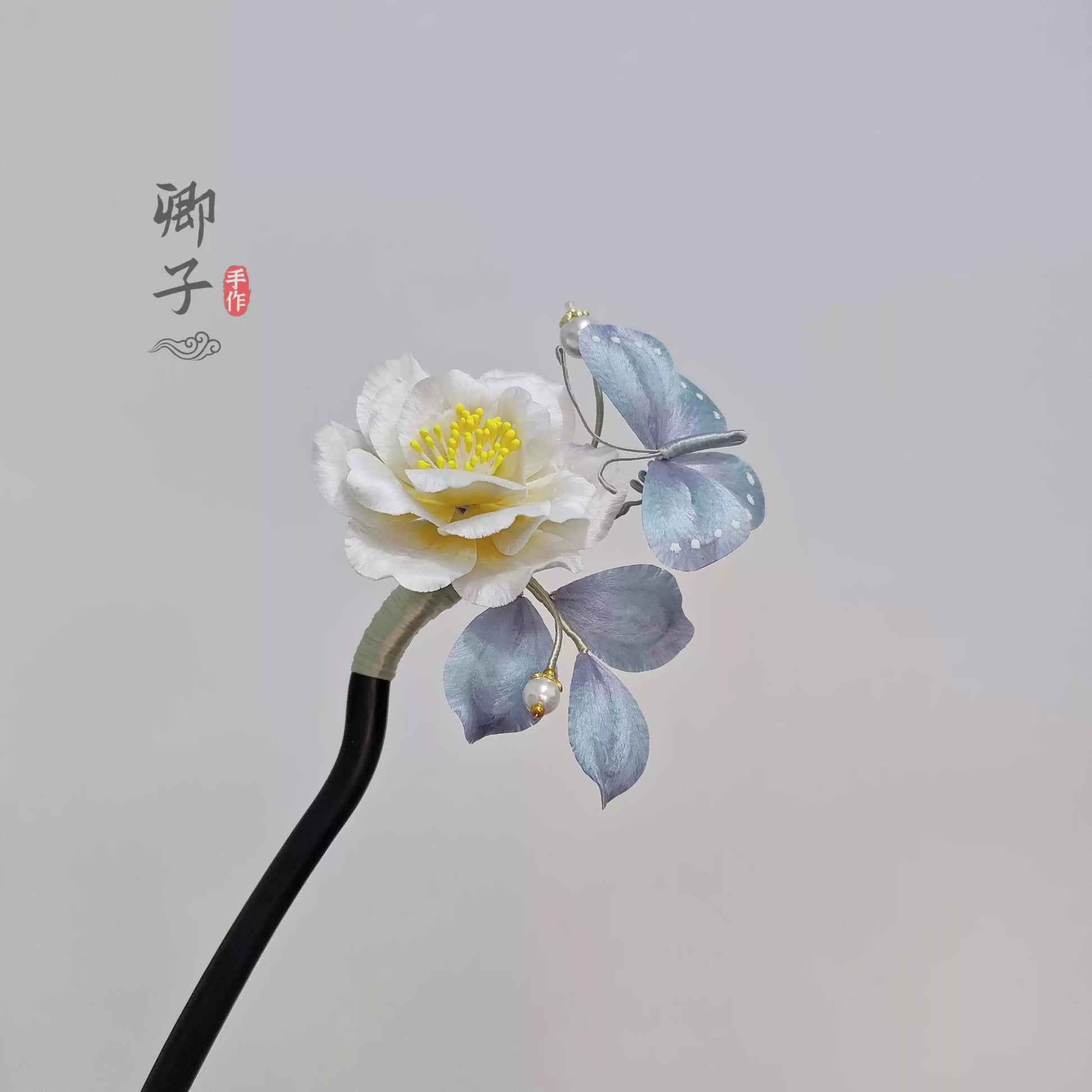
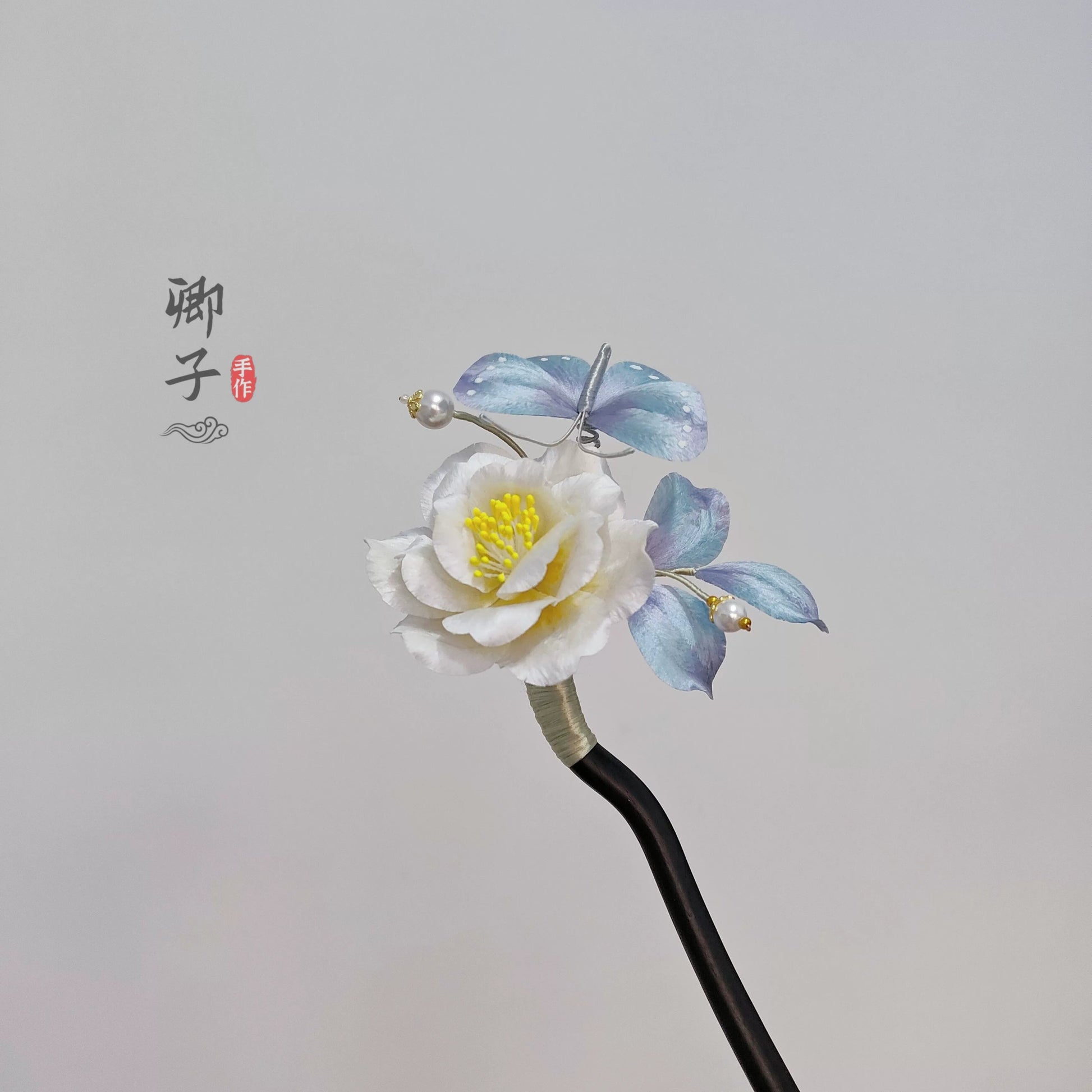
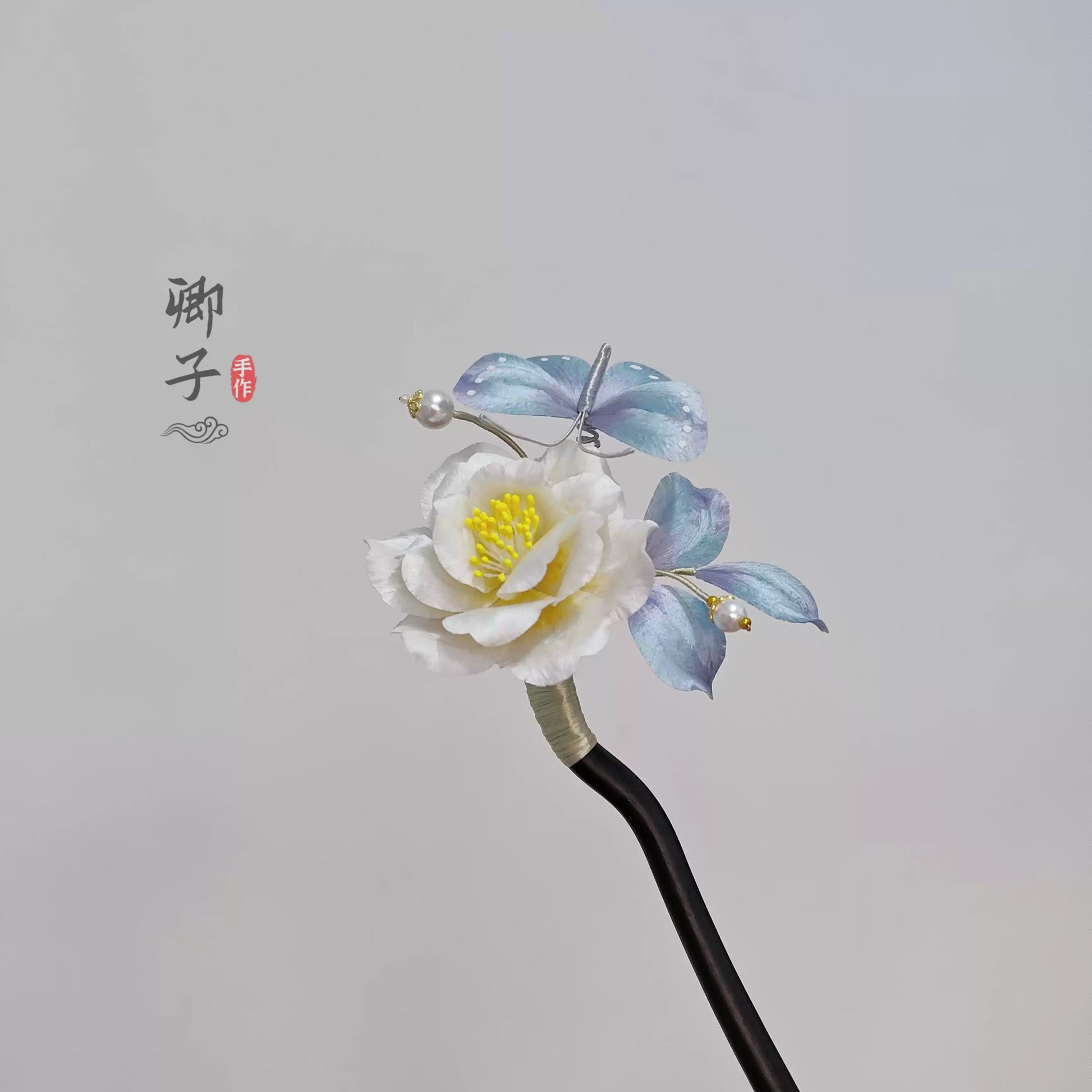
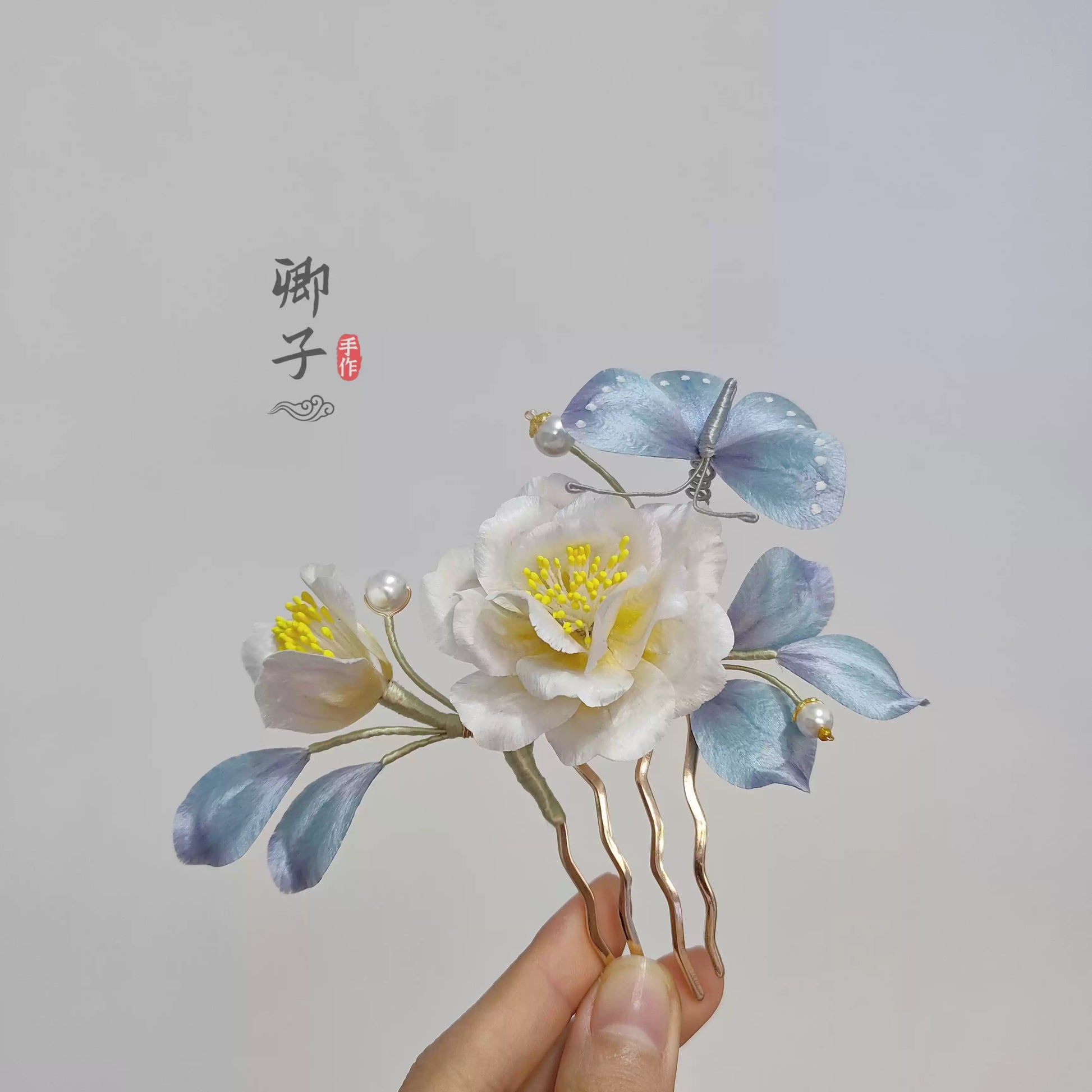
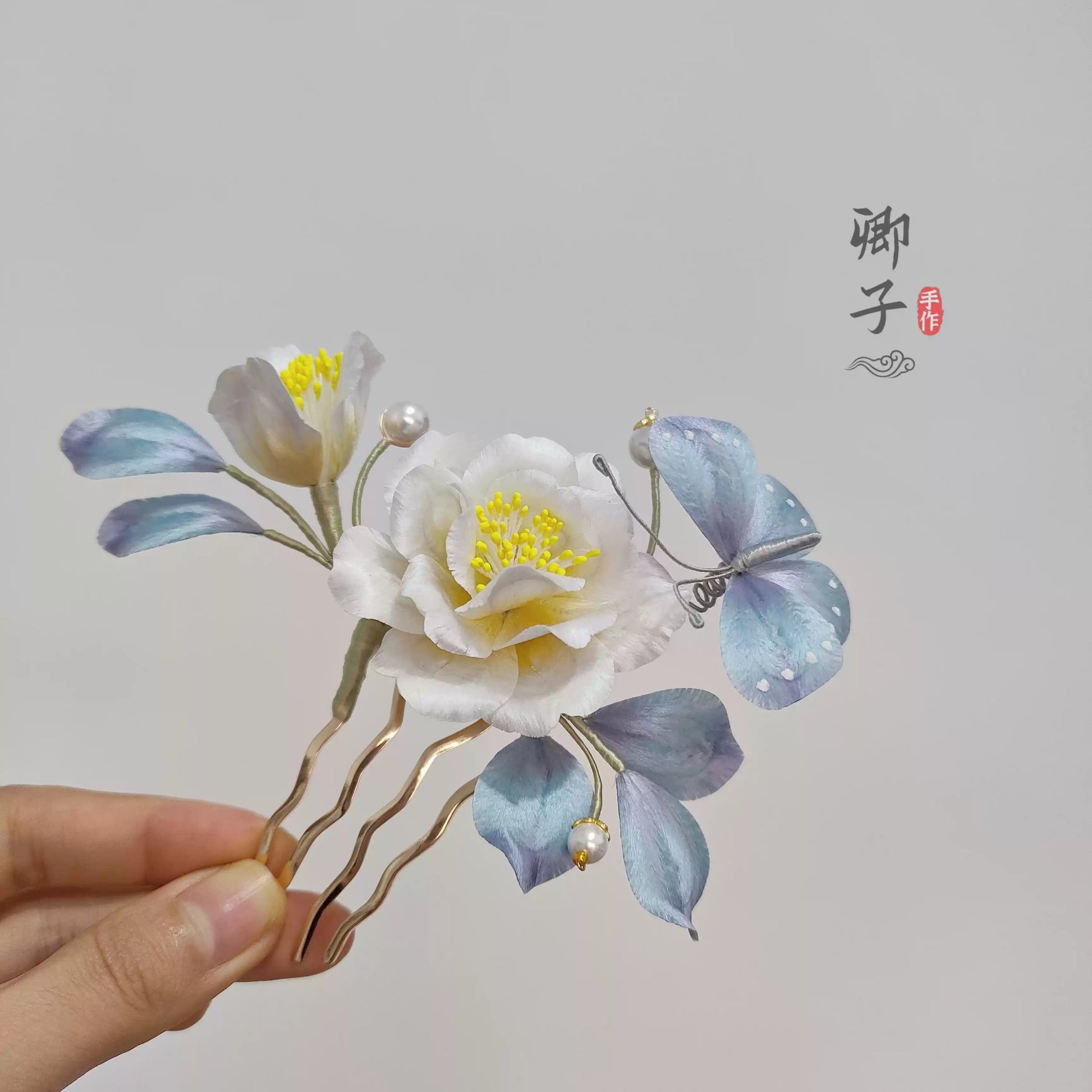
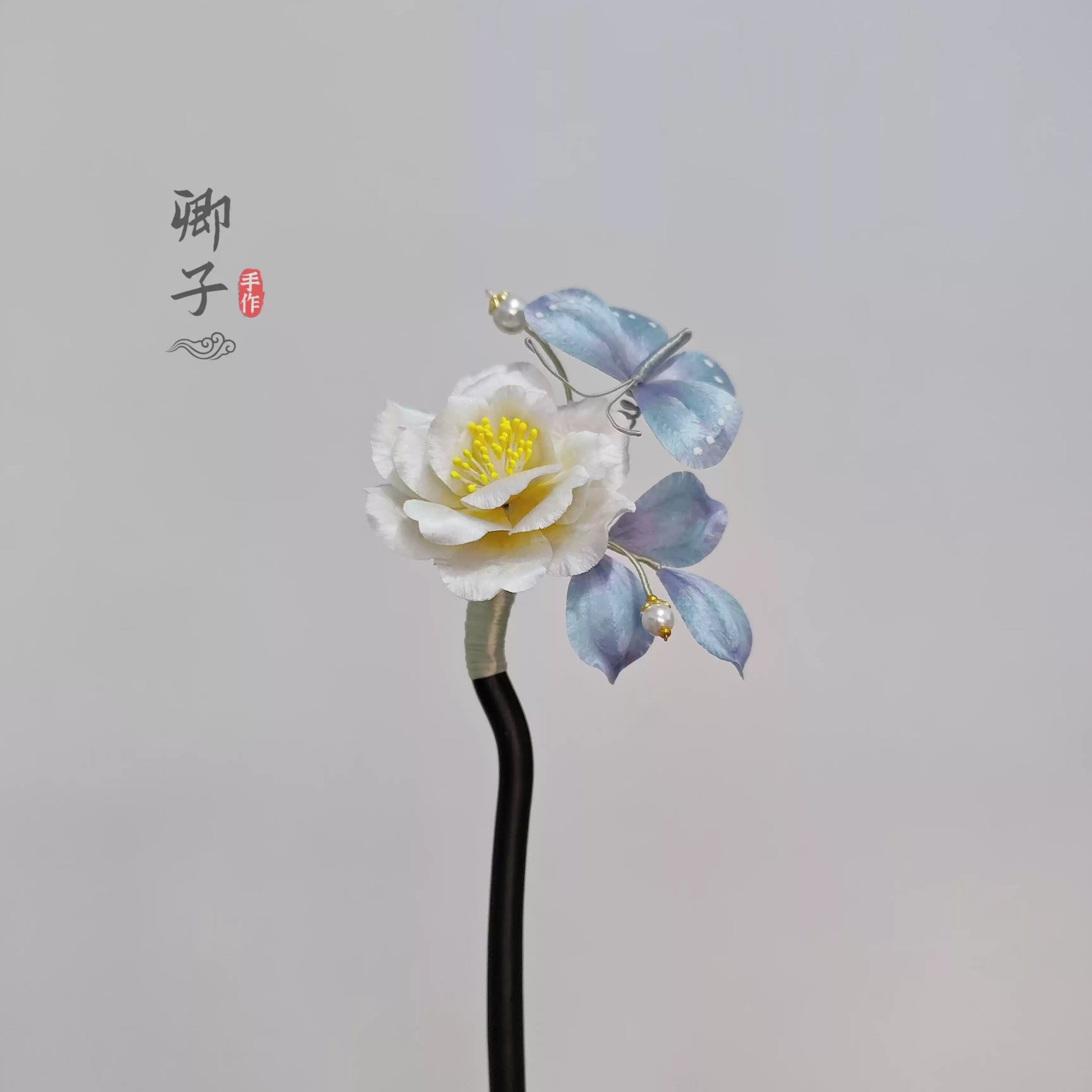
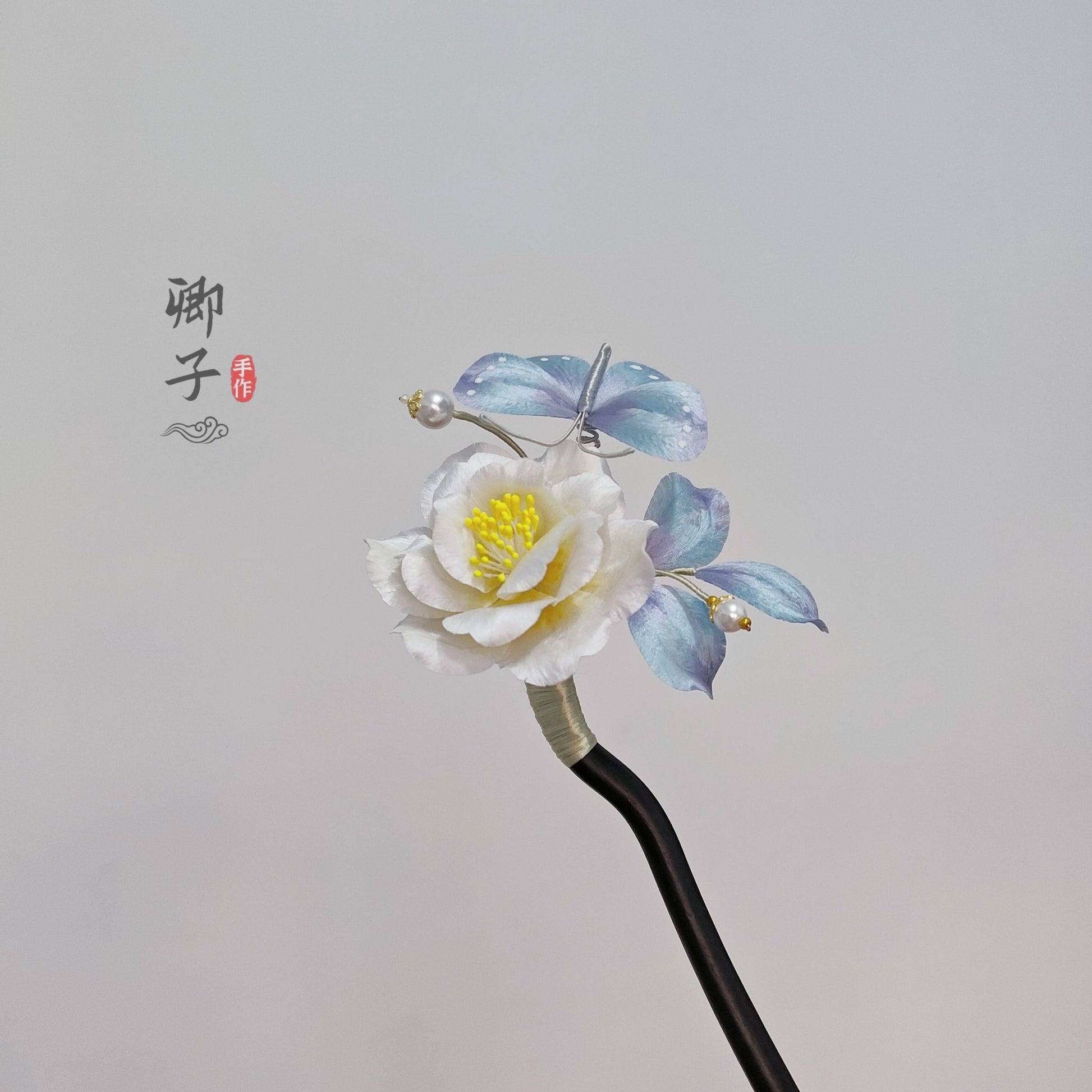
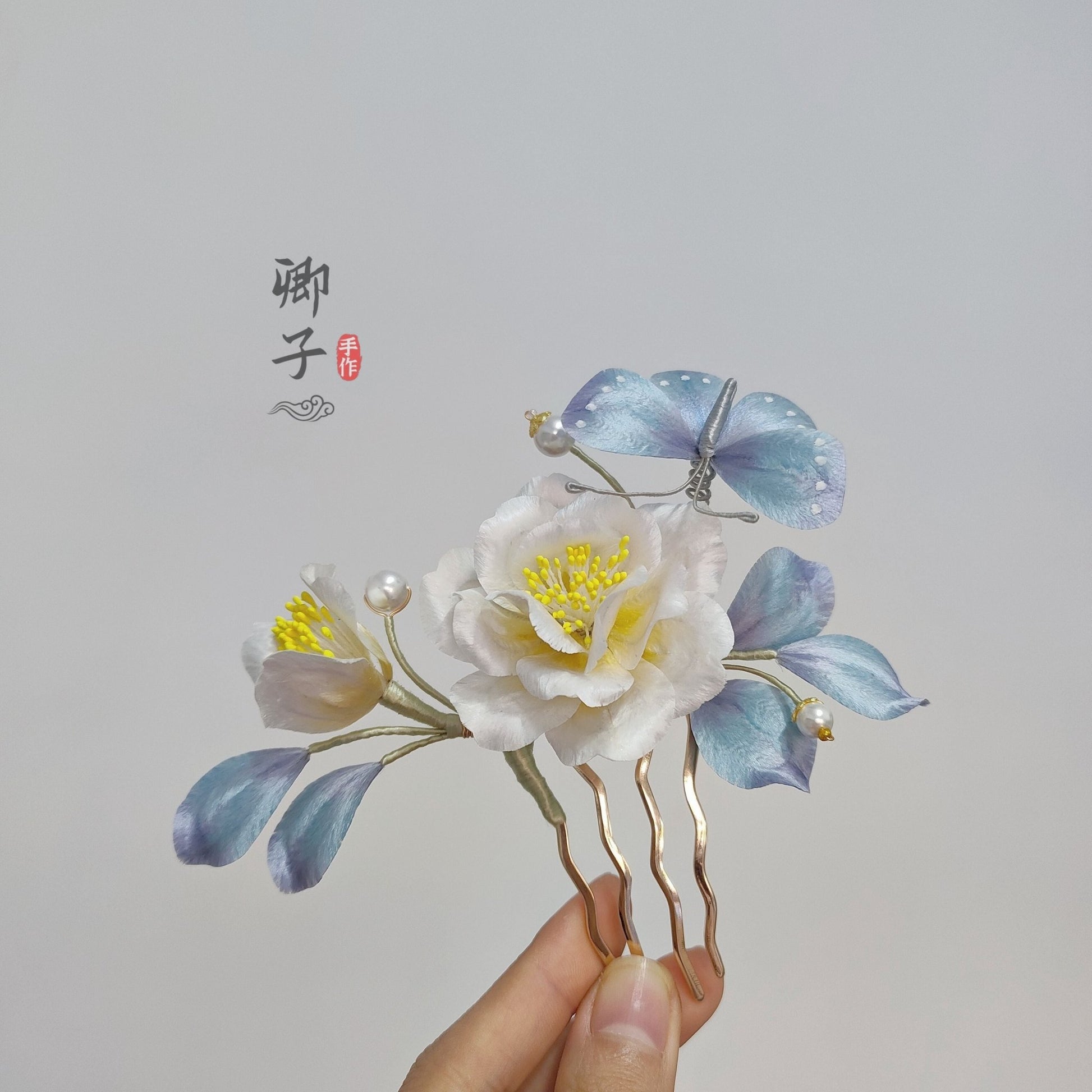
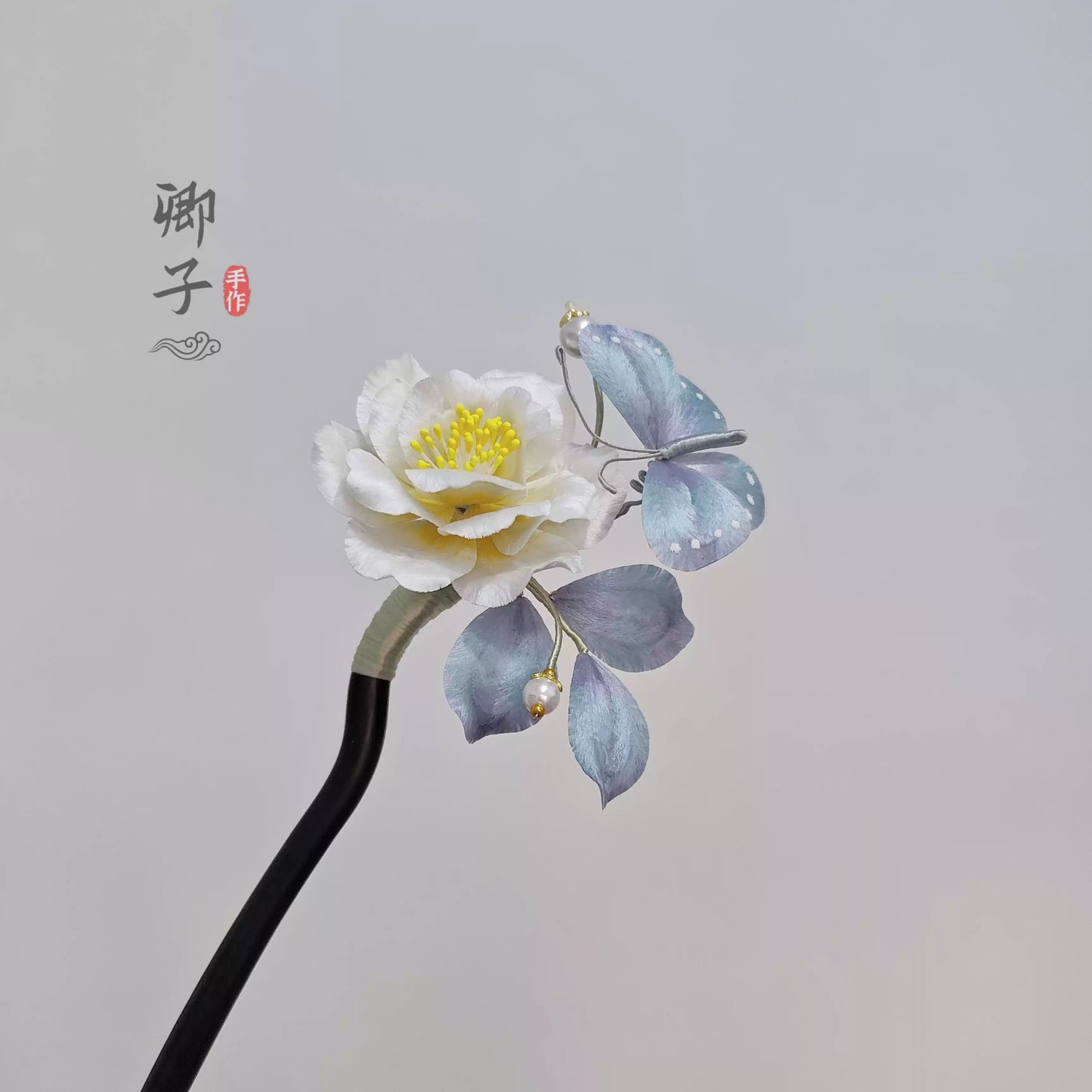
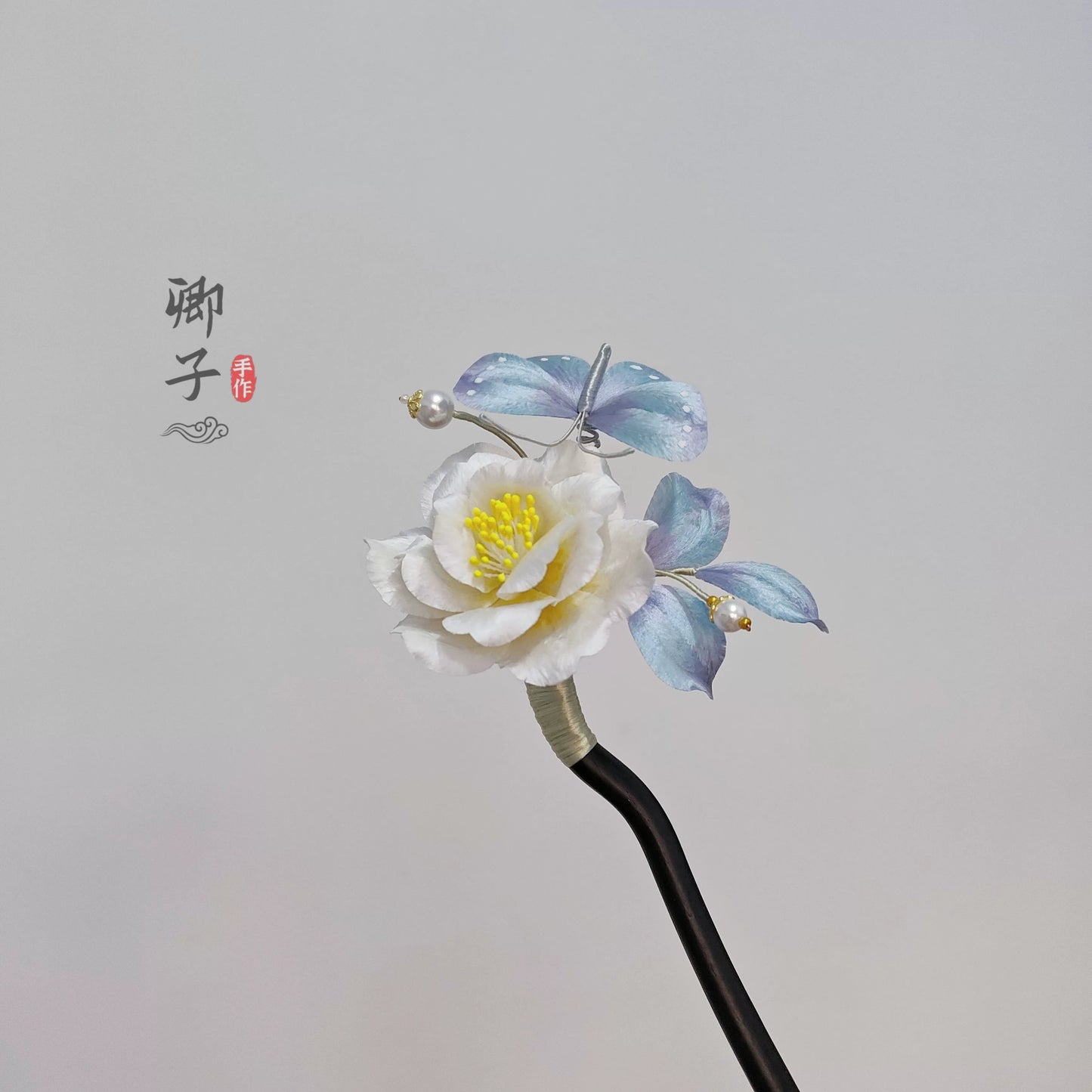
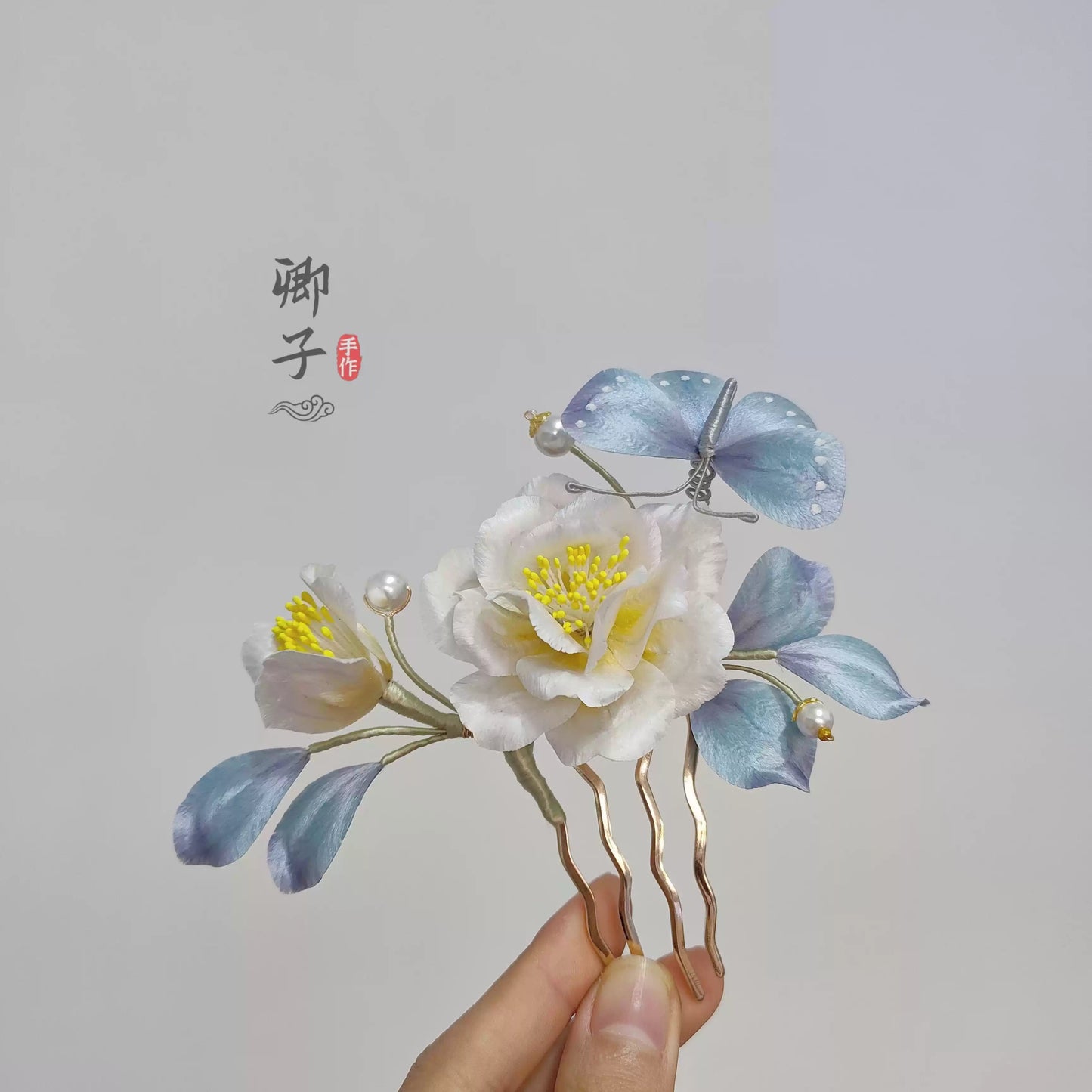
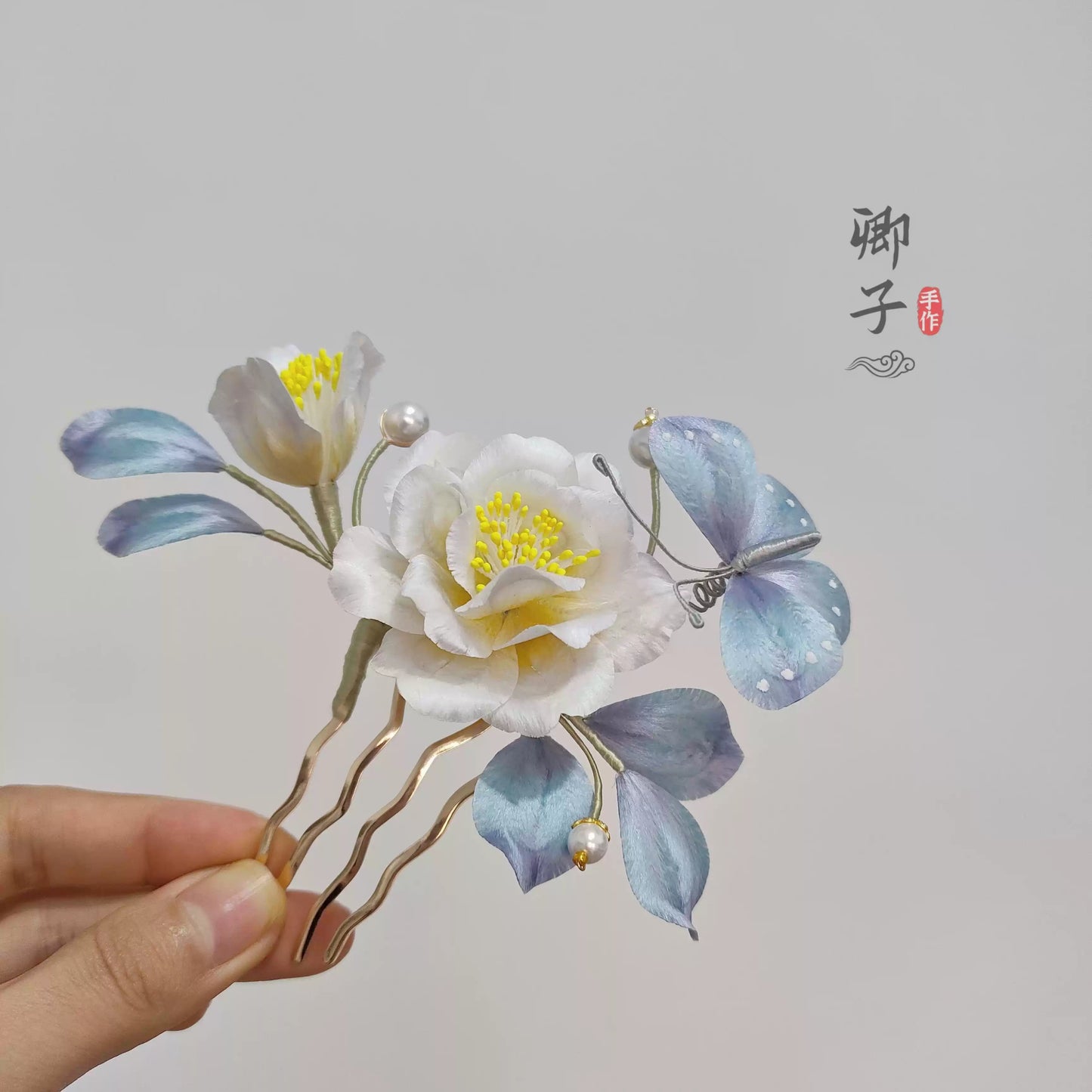
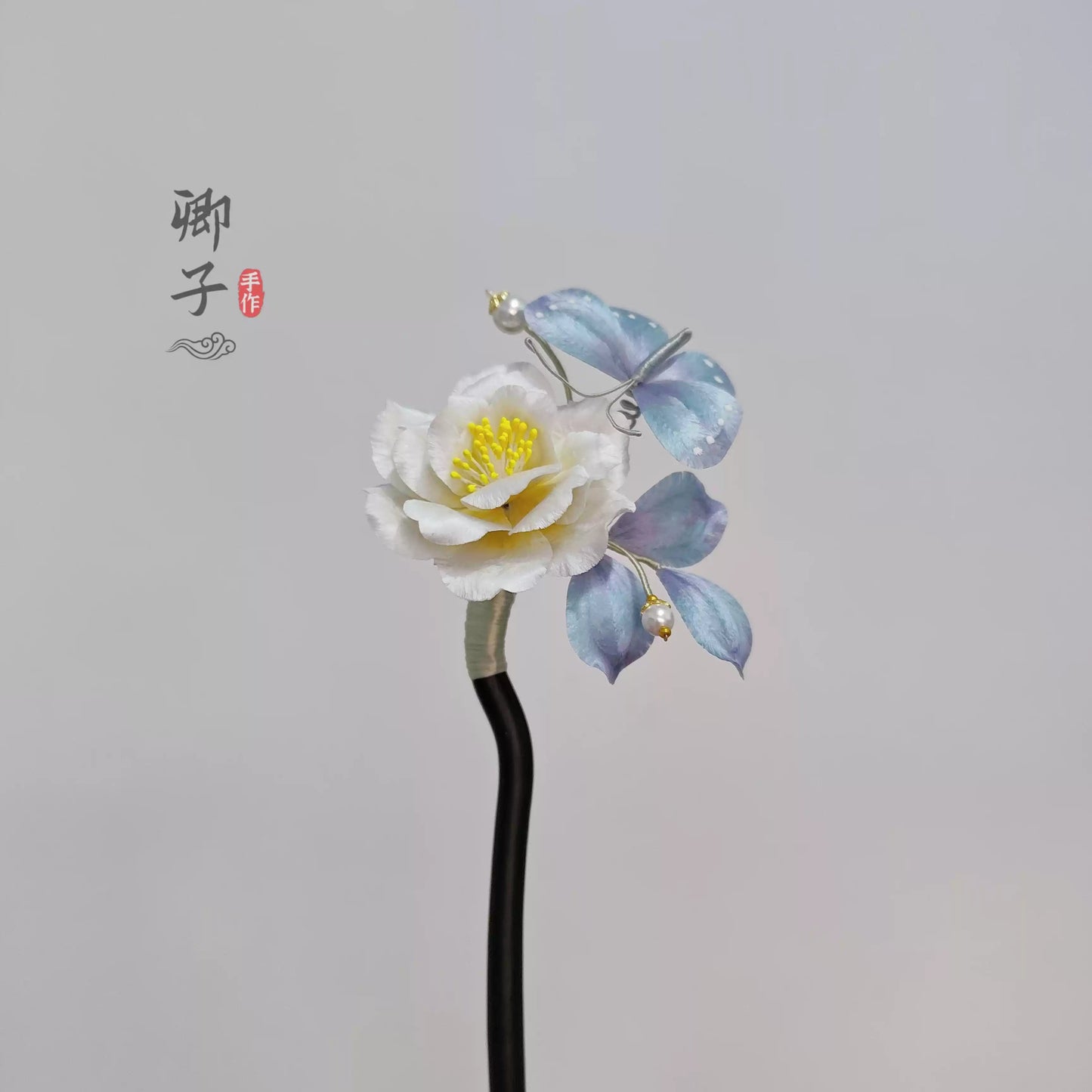
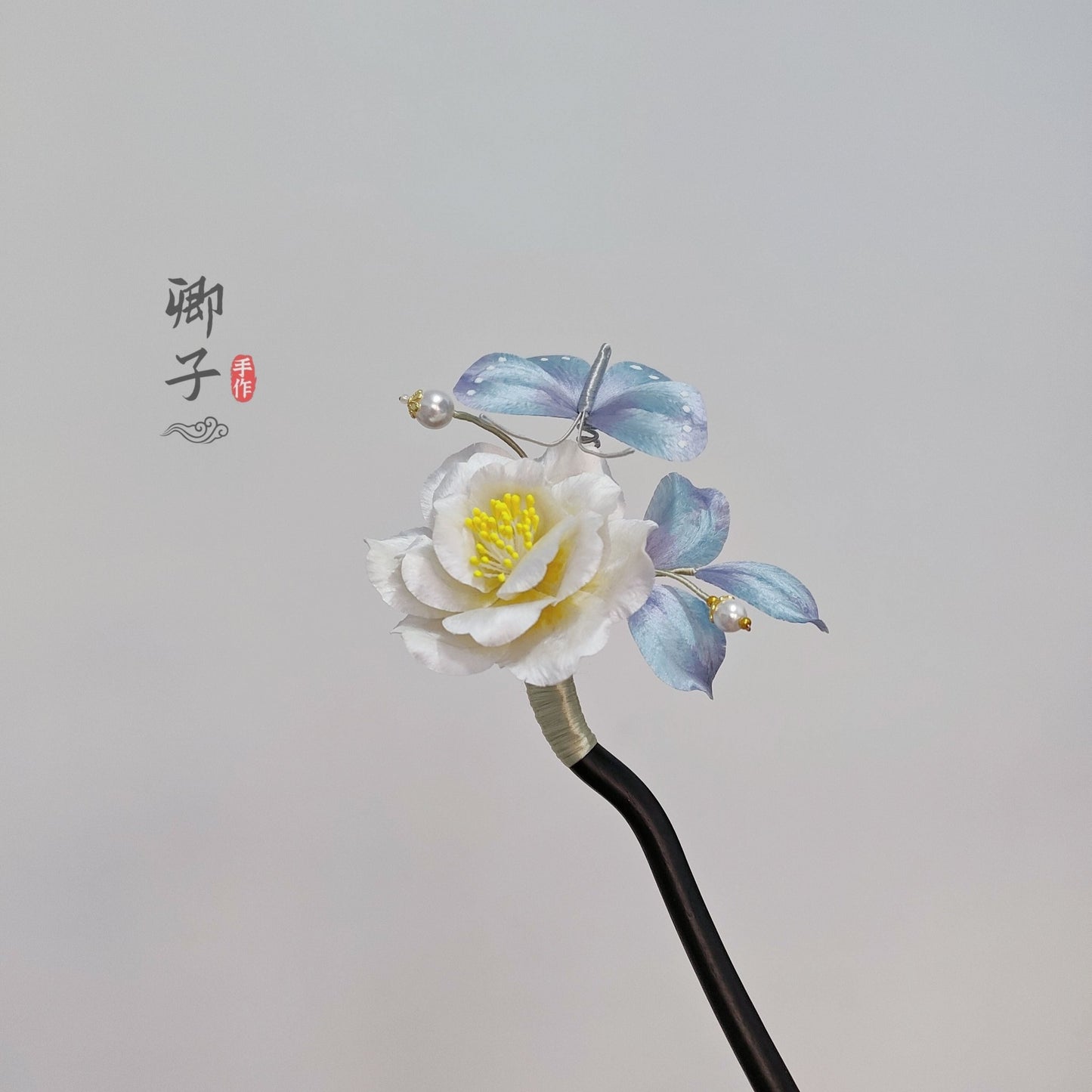
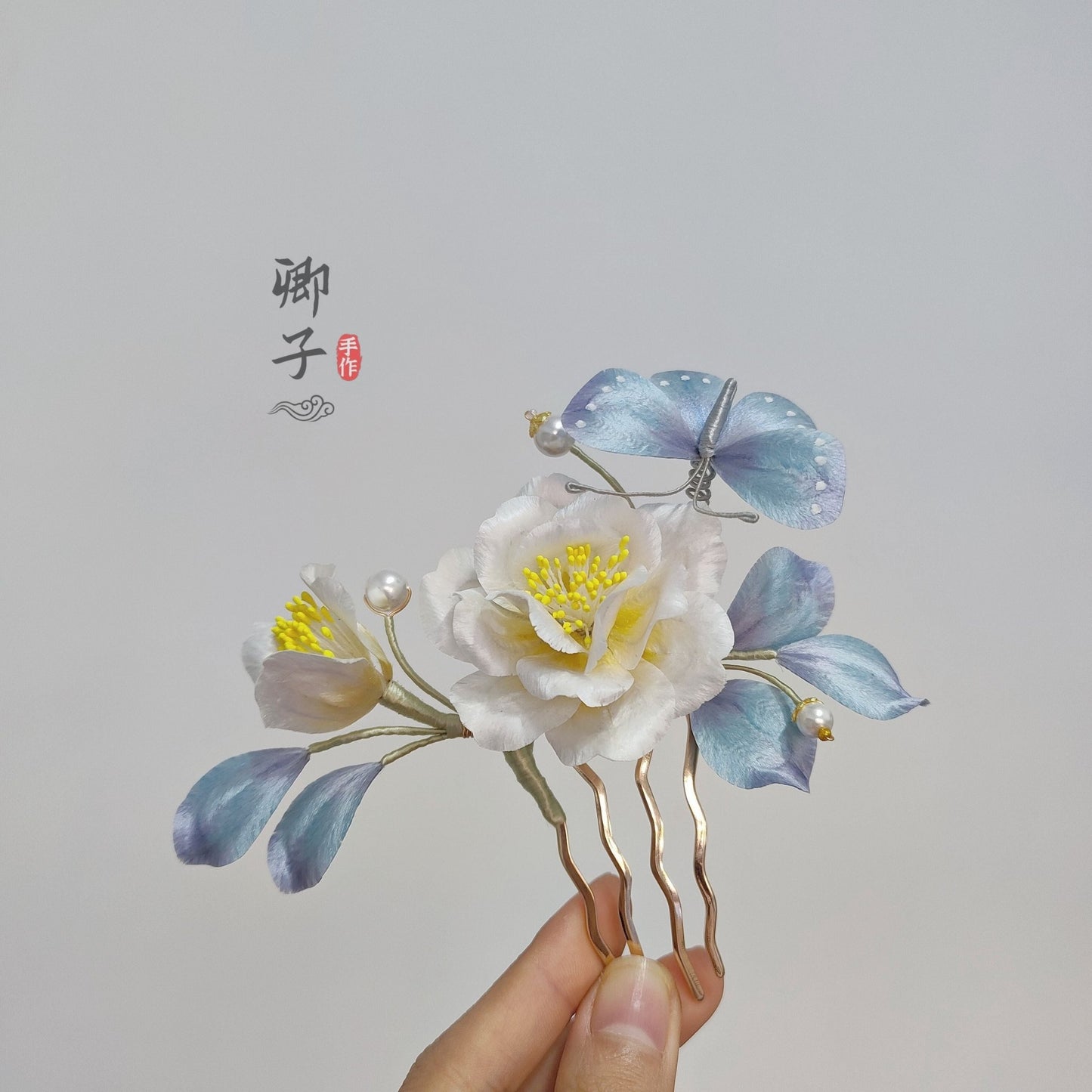
This ronghua-inspired piece brings traditional Chinese velvet flower craft into a wearable format, balancing ornament, texture, and a lighter editorial sensibility.
The work depends on hand-shaped floral structure, controlled layering, and finishing that preserves softness while keeping the piece practical to wear.
The making approach emphasizes smaller-batch handwork, visible process, and more deliberate finishing than mass-produced jewelry.
Velvet flower adornment is associated with ceremony, beauty, and continuity with Chinese dress traditions, which gives the piece value beyond surface decoration.
Especially well suited for hanfu styling, bridal gifting, collectors of Chinese handcraft, and customers looking for an accessory with visible process and story.
For practical details on care, shipping, returns, and common purchase questions, review the product accordions above or visit our Help & FAQ, Shipping, and Return & Refund pages.
These routes help buyers compare ronghua craftsmanship, styling context, and related hair accessories before checkout.
QianXiangYin Velvet Flower Hairpin is positioned as a handcrafted silk velvet flower hairpin with stronger emphasis on finish, wearability, and cultural context than generic catalog jewelry.
QianXiangYin Velvet Flower Hairpin works well for gifting when the buyer wants something more distinctive than mass-market jewelry, and it suits daily wear when the scale, comfort, and symbolism fit the wearer’s routine.
Store this accessory carefully, avoid rough impact and moisture where relevant, and use the care guidance on the product page to keep materials and finish in better long-term condition.
Review the product accordions along with the Help & FAQ, Shipping Policy, and Return & Refund Policy before checkout.
QianXiangYin Velvet Flower Hairpin is built on a tradition-first approach that values cultural context and real handcraft standards.
Ronghua (velvet flower) belongs to traditional Chinese decorative craftsmanship and is recognized as intangible cultural heritage. The technique preserves ceremonial aesthetics while being reinterpreted for contemporary styling.
The artisans behind these pieces are trained in traditional floral handcraft workflows. They combine heritage techniques with modern quality control for wearable, long-lasting accessories.

Mei Chen · Ronghua Flower Craft Artisan
Mei Chen works on traditional velvet flower structures and has spent 9 years refining petal layering, shape retention, and color harmony.
"Every petal needs rhythm and patience, otherwise the flower has form but no life."
First-order offer: Use code ORIENT10 for 10% off.
Materials: Thoughtfully selected materials chosen for durability, comfort, and a refined finish suitable for gifting and long-term wear.
Each piece is shaped with small-batch handwork and closer material attention than mass-market jewelry.
The focus is on cleaner finishing, material honesty, and a more considered handmade feel than fast-turn commercial jewelry.
Hair ornaments and ronghua-inspired pieces carry a strong sense of adornment, ceremony, and continuity with Chinese dress traditions.
We position these pieces with cultural context and clarity so customers can understand what they are wearing, not just how it looks in a product photo.
Well suited for birthdays, anniversaries, cultural gifting, and customers looking for something more personal than standard jewelry-store options.
Suitable for customers who want a gift with visible craftsmanship, softer symbolism, and presentation that feels more thoughtful than generic fast-fashion jewelry.
After each use, wipe gently with a soft cloth and store in a jewelry box or dust bag away from humidity, harsh chemicals, heat, and direct sunlight.
Silver, plated finishes, vintage components, silk velvet, and natural stones should all be handled carefully to preserve texture, color, and surface finish over time.
Handling time: Most handmade pieces dispatch within 3-5 business days.
Delivery: Standard delivery timing is typically 5-12 business days after dispatch, with tracking sent by email when available.
Returns: If the piece is not right for you, review the return window and conditions before ordering. Full policy details are available on our returns page and shipping page.
Need Help?
If you have an issue or question that requires immediate assistance, you can click the button below to chat live with a Customer Service representative.
If we aren’t available, drop us an email and we will get back to you within 20-36 hours!
Continue your journey with our core collections and trusted references:
ORIENTGEM uses this page as a practical support hub, not just a list of short answers. If your question is about delivery, returns, care, or order status, start here and then use the linked policy pages for the current detailed terms.
Genuine materials, artisan-verified
Each piece made by skilled artisans
Free over $89, tracked delivery
Stress-free refund policy